Last week, 45,000 students in 125 of D.C.’s public schools found a very different type of meal on their school lunch tray: Nordic cured meats, pickled vegetables and fresh fruit.
These special Scandinavian meals were served as part of the DCPS International Food Program and a longstanding Embassy Adoption Program between the embassies of Denmark, Finland, Iceland, Norway and Sweden and the D.C. Public Schools, with the goal of encouraging wholesome eating and sharing international cuisine.
On Nordic Food Day-the first of several planned international food days-students sampled Swedish meatballs, Norwegian salmon with dill sauce, roasted root vegetables and wasa crisp bread and lingonberry juice. The food was produced locally with the help of some of the world’s best chefs and donated by many Scandinavian businesses, including Ikea and a Norwegian fishing council.
The program’s cultural immersion doesn’t end with the food; students also enjoyed visits from six ambassadors, seven Scandinavian chefs, performances by four musicians and a special visit by HRH Prince Daniel of Sweden.
To learn more about Nordic Food Day or to see a slideshow of photos from the event, click here. To learn more about the benefits of a Scandinavian diet, check out the “New Nordic Cuisine” feature of the August issue of Viking magazine.
Showing posts with label Food. Show all posts
Showing posts with label Food. Show all posts
Friday, November 4, 2011
Tuesday, December 21, 2010
Lutefisk Capital of America? You Decide.
Here's a great video about a Sons of Norway member (and champion lutefisk eater) in Madison, MN. Enjoy the lutefisk!
Friday, December 17, 2010
Lutfisk on the Radio
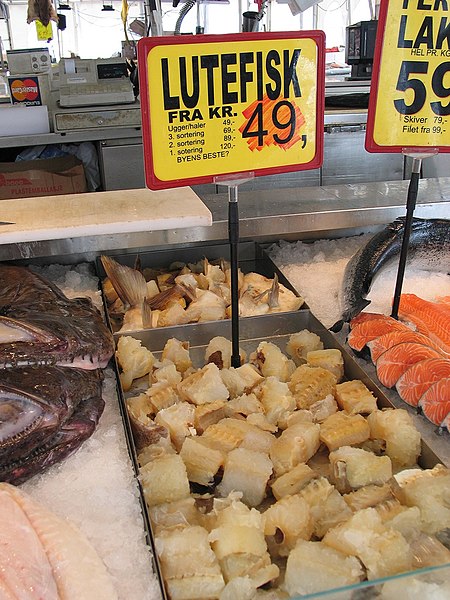
If you follow my Twitter feed (@SonsofNorway)then you probably saw the tweet earlier this week about KCRW, a public radio station in California, doing a piece on Sons of Norway and the making of lutefisk. During its "Good Food" segment, contributor Eddie Lynn visited Norrona lodge 6-050 in Van Nuys, California. While there, he interviewed lodge members, including VP Gerald Rowe, about lutesfisk and the tradition of lutefisk dinners.
To listen to the entire story, click here and fast-forward to the 15:20 mark. For me, the highlight of the story was when the interviewer called lutefisk "a poor man's lobster." Sounds to me like there's another lutefisk convert waiting in the wings!
Thursday, December 16, 2010
My Favorite Krumkake Recipe
Something interesting happened to me yesterday. A colleague asked me what I like most about this time of year, and I must admit it was a tough question to answer. Not because I'm some sort of grinch, exactly the opposite, actually. There are so many things I love about this time of year that I'm hard pressed to narrow it down to any single thing.
If I had to narrow it down, though, I'd have to say it's the food. Beyond the fact that this time of year is famous for the variety, the flavor and sheer volume of food, it's also notorious as a time of reflection. Maybe it's because December offers a great vantage point from which we can survey the year gone by; remembering the things that brought us joy, finding contentment in our successes and humor in our failings and considering the road not taken. More likely though, it's probably because it's been proven that food (or more accurately the smell of food) is one of the strongest triggers in recalling memories. I'm sure we all, at one point or another, have come to relate a certain smell with a memory of good times gone by.
For me, it's the smell of cookies baking. Specifically the smell of krumkake being made on a griddle. That particular smell takes me back to my childhood, spent with great-aunts and uncles who were one-generation-off-the-boat Norwegian Americans living in Northern Minnesota. It makes me think of their kitchens filled to the brim with people; some of them baking, some watching, some tasting, but all of them enjoying each others' company. And the noise, oh the sound of them all talking and laughing! Great memories to be sure.
So, because food is so important to the holiday season, I thought I'd share my favorite krumkake recipe with everyone! This is a tried and true recipe, that my wife and I love. In face we just made it over the weekend and can attest to its wonderful flavor. I hope you enjoy it as much as I have and that it can be a part of your own cherished memories.
If I had to narrow it down, though, I'd have to say it's the food. Beyond the fact that this time of year is famous for the variety, the flavor and sheer volume of food, it's also notorious as a time of reflection. Maybe it's because December offers a great vantage point from which we can survey the year gone by; remembering the things that brought us joy, finding contentment in our successes and humor in our failings and considering the road not taken. More likely though, it's probably because it's been proven that food (or more accurately the smell of food) is one of the strongest triggers in recalling memories. I'm sure we all, at one point or another, have come to relate a certain smell with a memory of good times gone by.
For me, it's the smell of cookies baking. Specifically the smell of krumkake being made on a griddle. That particular smell takes me back to my childhood, spent with great-aunts and uncles who were one-generation-off-the-boat Norwegian Americans living in Northern Minnesota. It makes me think of their kitchens filled to the brim with people; some of them baking, some watching, some tasting, but all of them enjoying each others' company. And the noise, oh the sound of them all talking and laughing! Great memories to be sure.
So, because food is so important to the holiday season, I thought I'd share my favorite krumkake recipe with everyone! This is a tried and true recipe, that my wife and I love. In face we just made it over the weekend and can attest to its wonderful flavor. I hope you enjoy it as much as I have and that it can be a part of your own cherished memories.
Ingredients (makes approximately 50 krumkake)
- 4 eggs
- 1 1/2 cups all-purpose flour
- 1 cup sugar
- 1/2 cup (approx. 1 stick) unsalted sweet cream butter, melted and cooled
- 2 tablespoons corn starch
- 1/2 teaspoon vanilla extract
- 1/2 teaspoon ground cardamom
Directions
In a mixer, combine eggs and sugar and slowly beat together. Next, pour the melted butter or margarine into your mixer along with the vanilla extract and ground cardamom.
Sift flour and corn starch then add to egg mixture. Mix together until dough has a thick pancake batter-like, or somewhat doughy, consistency.
Once your maker is up to full heat, it’s time place the dough on the griddle. For expedience it’s a good idea to use two spoons (one to scoop batter and the other to scrape the batter onto your krumkake maker. Remember to place krumkake dough a bit above the center of your griddle pattern, so there is ample room for the batter to move forward as you close the lid.
Leave the batter in the maker with the lid closed for 35 seconds.
Once done, remove with a thin spatula and roll or lay flat to cool. If you are going to roll them into their traditional cone shape, you will need to do so immediately as they cool and harden quickly.
This recipe definitely has been described as very "cardamom-y" in that the cardamom flavor definitely comes through. If you are looking for a krumkake that's a bit sweeter you can either serve this recipe with whipped cream and preserves (which I wholeheartedly recommend), or you can reduce the amount of cardamom and increase the amount of sugar used.
Wednesday, December 15, 2010
Certainties in life: Tomorrow the sun will rise and we shall make Gløgg!
We’ve all heard the saying that “only two things in life are certain: death and taxes.” Now, I don’t know about you but I find that to be a very bleak perspective. I'm guessing good ol' Ben Franklin came up with that little saying because he never heard of Gløgg. If he had, then he'd probably have demanded that this holiday staple be served at all of his Christmas and New Year's parties!
So, since it 'tis the season, I bring you something that will brighten up the day and help spread joy among all: the annual posting of the Gløgg recipe!
I’ve been monitoring a marked increase in searches for a Gløgg recipe, so it’s time once again to post a link and make it easier to find. Just a reminder, this is a 40+ year old recipe and even though it dates back to the days of LBJ it still holds up as good as ever.
To serve 20-25
2 quarts dry red wine (about 2 standard 750 mL bottles)
2 quarts muscatel (or muscato)
1 pint sweet vermouth
2 tablespoons Angostura bitters
2 cups raisins
Peelings of 1 orange
12 whole cardamoms, bruised in a mortar with a pestle or by covering with a towel and crushing with a rolling pin
10 whole cloves
1 piece (about 2 inches) of fresh ginger
1 stick cinnamon
1 ½ cups akevitt (preferably Linie)
1 ½ cups sugar
2 cups whole almonds, blanched and peeled
Adapted from Recipes: The Cooking of Scandinavia. Time-Life Books. New York, 1968
Before you start cooking/drinking this holiday elixir, though, make sure you read the original blog post with commentary from Cultural Advisor, Colin Thonsen. It’ll make the preparation and cooking process go a lot smoother.
Enjoy the Gløgg!
So, since it 'tis the season, I bring you something that will brighten up the day and help spread joy among all: the annual posting of the Gløgg recipe!
I’ve been monitoring a marked increase in searches for a Gløgg recipe, so it’s time once again to post a link and make it easier to find. Just a reminder, this is a 40+ year old recipe and even though it dates back to the days of LBJ it still holds up as good as ever.
To serve 20-25
2 quarts dry red wine (about 2 standard 750 mL bottles)
2 quarts muscatel (or muscato)
1 pint sweet vermouth
2 tablespoons Angostura bitters
2 cups raisins
Peelings of 1 orange
12 whole cardamoms, bruised in a mortar with a pestle or by covering with a towel and crushing with a rolling pin
10 whole cloves
1 piece (about 2 inches) of fresh ginger
1 stick cinnamon
1 ½ cups akevitt (preferably Linie)
1 ½ cups sugar
2 cups whole almonds, blanched and peeled
Adapted from Recipes: The Cooking of Scandinavia. Time-Life Books. New York, 1968
Before you start cooking/drinking this holiday elixir, though, make sure you read the original blog post with commentary from Cultural Advisor, Colin Thonsen. It’ll make the preparation and cooking process go a lot smoother.
Enjoy the Gløgg!
Thursday, September 30, 2010
Food, Glorious Food
 If you’ve seen the October issue of Viking, you could guess that our staff has had food on the brain. Comfort food, to be exact. As I was working on our cover feature with culinary expert Scott Givot, I was in an almost constant state of hunger, thinking about the meal we were creating: savory Lapskaus (lamb stew), accompanied by Havregrynsbrød (oatmeal bread), topped off by Tilslørte Bondepiker (“veiled farm girls”—that’s apple trifle for the rest of us).
In my search of the Web for culinary inspiration, I came across a great resource. Kari Diehl, Scandinavian food blogger for About.com, shares her favorite recipes from the Nordic countries. Check out her recent post: “10 Best Back-to-School Breakfasts.” I found some of my old favorites on the list, such as baked Finnish pancake, and some new ideas that I definitely want to try, like September porridge. God Appetitt!
Amy Boxrud is editor of Viking magazine. She lives with her family in Northfield, Minnesota, where she’s a member of Nordmarka 1-585. Amy is a Nordic folk music enthusiast, and when she’s not working or parenting, she can often be found making music with friends.
Wednesday, May 5, 2010
Viking’s Editor Meets The Cheese Guy
 Here's another interesting post from Viking magazine editor, Amy Boxrud about her meeting with "The Cheese Guy."
Over the past few weeks, I’ve really enjoyed immersing myself in Viking magazine’s food issue, arriving in June. Today I had the pleasure of interviewing Patrick Moore, also known as “The Cheese Guy.” I first met Patrick went I lived in Minneapolis and did my grocery shopping at Lunds in Uptown (which happens to be right across the street from Sons of Norway headquarters). Whenever I saw Patrick working behind the cheese counter, I always stopped to browse, which inevitably led to samples, recommendations and Patrick’s entertaining commentary. I wasn’t the only person who appreciated Patrick’s advice; he’s now a specialty cheese consultant who also offers classes and tastings.
 When I began working on an article about Norway’s cheeses, I knew Patrick would be a great source of information. We sat down over a cup of coffee spent an hour discussing Norwegian cheeses available in the U.S: Jarlsberg, Gjetost, Ridder and Snøfrisk. Now I've got cheese on the brain and I can't wait to hit the grocery store. Look for Patrick’s insights—along with five new ways to eat Jarlsberg cheese—in our upcoming June food issue.
Photo courtesy of Norseland Inc.
Amy Boxrud is editor of Viking magazine. The mother of two grade-schoolers, Amy and her family live in Northfield, Minnesota where she is a member of Nordmarka 1-585. Amy is a Nordic folk music enthusiast, and when she’s not working or parenting, she can often be found making music with friends. She is a founding member of Northfield’s Nordic Roots Session and performs with the groups Scandium and Hütenänny.
Thursday, March 4, 2010
The Legacy of Family Recipes
 My grandmother was an incredible cook. She would get up at five o’clock every morning to make fresh bread, always had homemade sugar cookies or caramel rolls ready for guests, brought her coveted lefse to church gatherings and picnics, and made the best barbecued ribs I’ve ever had. Ever. But one of the dishes my three brothers and I enjoyed most was Grandma’s fish balls. She would take a can of King Oscar’s fish balls, make an incredibly delicious creamy gravy, boil some red potatoes, and serve it all piping hot. Yes, it was a stereotypical Scandinavian plate of food—three shades of white—but it was so simple and satisfying. Most importantly, it was cooked with love by Grandma.
 Grandma passed away nearly 15 years ago, but her food legacy lives on. We try to recreate some of her specialties (they’re never as good as hers), we marvel at how she was able to cook so well for so many people in such a tiny farmhouse kitchen, and we reflect on how special she made us all feel through the food she so lovingly cooked and served.
This is a busier-than-normal time for my family, and as I toss frozen pizzas in the oven and run into the sandwich shop to pick up dinner on the go, my appreciation for Grandma—and the time she invested in making delicious food for her family—continues to grow. I think we have a few hours free this Sunday. Maybe I’ll dig out Grandma’s fish ball recipe and do some cooking with my boys.
Wednesday, November 25, 2009
Thanksgiving Eats and Treats!
Thanksgiving is almost here! In a little over 24 hours I'll be knee deep in turkey, mashed potatoes, stuffing, cranberry sauce, lefse and pumpkin pie. Unlike past years I am hosting the dinner this year and that means I'm responsible for sending everyone home stuffed and satisfied. Kind of nerve wracking but I think I've got a good game plan in place. I've got it figured out as to when I need to start the turkey, then when I have to get the pie and stuffing cooking.
There's so much to plan out that it makes my head spin and I've gained a whole new respect for the folks who, year after year, host large family Thanksgiving celebrations. Seriously, it took me until this week just to decide on what I would serve , then it took me 3 days to figure out which recipes I would use!
So, in the spirit of the season, and in hope of helping others out there make it through Thanksgiving unscathed, I have put together a full Thanksgiving menu to use if you are running out of time or nerve. Enjoy!
Let's start with a traditional Lefse recipe.
Ingredients:
2 quarts potatoes
1 tbsp lard
3 tbsp sweet milk
Salt
Flour
Run potatoes through a meat grinder, set aside to cool. Heat lard and milk. Pour over the cold potatoes. Knead well in flour, enough to roll out very thin. Bake on lefse iron.
Next, we need something warm to sup on (yes, I really did use the word "sup." And in the proper, not-greeting sort of way, too) since it's supposed to get pretty chilly around here on Thanksgiving. The following recipe for a warm Rhubarb Soup should do the trick.
Ingredients:
12 ounces of Rhubarb
3 pints of water
6 ounces of sugar
3 tsp potato flour
Clean and cut fine the rhubarb. Bring to a boil in the water, then dissolve the potato flour in two tsp of water and stir into boiling soup. Bring the mixture to a boil again and add the sugar. This recipe will serve 6, so you can adjust up or down as needed.
Now that we have the soup course out of the way it's time to bring out the main course! If your family is anything like mine, that means that cooking a meal that appeals to everyone can be tricky. I've learned over the years from watching my mother and aunt cook for the fam that it's just a better idea to have a couple of entrees. That way everyone has a great Thanksgiving feast. So, in the interest of keeping the peace, I've got two different entrees that should work great for a traditional Norwegian Thanksgiving dinner.
The first entree is Faar I Kaal
Ingredients:
4.5 to 5.5 lbs of lamb or mutton
Salt
Water
1 large head of cabbage
Saus:
2 oz butter
2 oz flour
1 tablespoon whole pepper corns
Wash the meat in lukewarm water. Cut into suitable pieces and place in just enough boiling, salted water to cover the meat. Skim when it rises to a boil and let simmer for for half an hour; then remove meat from water.
For the saus, melt butter and stir in flour. Add the strained broth. Place the meat in this mixture in alternate layers with the washed, parboiled and cut up cabbage together with the pepper tied in a cheese cloth pouch. Boil under cover until all is tender; usually 3 hours.
The next entree is the one I KNOW you ALL have been waiting for: LUTEFISK! Yes, the smelly, jelly-like fish dish that has numerous songs devoted to it! Unfortunately the recipe I have for it takes up to 2 weeks to prepare, but if you need a faster way to get this delicacy, then check out the Sons of Norway recipe box here for a great recipe.
Ingredients:
9 lbs dried cod
2 lbs slaked lime
1 and 1/3 lbs washing soda (if you can't tell yet, this is a very old and traditional recipe)
Water
Saw the fish into convenient pieces and place in a wooden receptacle and cover with cold water. Let it lie for a week changing water every day. Make a solution of the slaked lime, soda and fifteen quarts of water. Place the fish in this solution under weights to keep the pieces in position as they swell. Add more water if necessary to keep the pieces covered. In about a week, or when properly softened through, take out and rinse thoroughly and place in cold water for eight days, changing the water twice daily during the first few days.
Cut in pieces the size you wish to serve, skin and wash. Tie in a cloth and place in boiling water to cook for 10-15 minutes until tender. Serve with melted butter.
Now that's over, it's time for desert! Today I bring you a traditional Riskrem.
Ingredients:
1 qt cream
2 cups cold boiled rice
2 tbsp gelatin
1 cup cold water
2 egg whites
1/2 cup blanched almonds
Sugar to taste
Soak gelatin in water, then put over heat to melt. At the same time, whip the cream until thick. When the gelatin is cold, add to the whipped cream. Add sugar, almonds and whites of eggs and beat until stiff. Serve very cold, and, if you like, add some grated pineapple for color and texture.
So there we have it--a four course Thanksgiving meal that will pull at the heartstrings of any Norwegian American family.
If you have your own recipes or Norwegian American family traditions for Thanksgiving, why not share them in the comments section below.
Happy Thanksgiving everyone!
There's so much to plan out that it makes my head spin and I've gained a whole new respect for the folks who, year after year, host large family Thanksgiving celebrations. Seriously, it took me until this week just to decide on what I would serve , then it took me 3 days to figure out which recipes I would use!
So, in the spirit of the season, and in hope of helping others out there make it through Thanksgiving unscathed, I have put together a full Thanksgiving menu to use if you are running out of time or nerve. Enjoy!
Let's start with a traditional Lefse recipe.
Ingredients:
2 quarts potatoes
1 tbsp lard
3 tbsp sweet milk
Salt
Flour
Run potatoes through a meat grinder, set aside to cool. Heat lard and milk. Pour over the cold potatoes. Knead well in flour, enough to roll out very thin. Bake on lefse iron.
Next, we need something warm to sup on (yes, I really did use the word "sup." And in the proper, not-greeting sort of way, too) since it's supposed to get pretty chilly around here on Thanksgiving. The following recipe for a warm Rhubarb Soup should do the trick.
Ingredients:
12 ounces of Rhubarb
3 pints of water
6 ounces of sugar
3 tsp potato flour
Clean and cut fine the rhubarb. Bring to a boil in the water, then dissolve the potato flour in two tsp of water and stir into boiling soup. Bring the mixture to a boil again and add the sugar. This recipe will serve 6, so you can adjust up or down as needed.
Now that we have the soup course out of the way it's time to bring out the main course! If your family is anything like mine, that means that cooking a meal that appeals to everyone can be tricky. I've learned over the years from watching my mother and aunt cook for the fam that it's just a better idea to have a couple of entrees. That way everyone has a great Thanksgiving feast. So, in the interest of keeping the peace, I've got two different entrees that should work great for a traditional Norwegian Thanksgiving dinner.
The first entree is Faar I Kaal
Ingredients:
4.5 to 5.5 lbs of lamb or mutton
Salt
Water
1 large head of cabbage
Saus:
2 oz butter
2 oz flour
1 tablespoon whole pepper corns
Wash the meat in lukewarm water. Cut into suitable pieces and place in just enough boiling, salted water to cover the meat. Skim when it rises to a boil and let simmer for for half an hour; then remove meat from water.
For the saus, melt butter and stir in flour. Add the strained broth. Place the meat in this mixture in alternate layers with the washed, parboiled and cut up cabbage together with the pepper tied in a cheese cloth pouch. Boil under cover until all is tender; usually 3 hours.
The next entree is the one I KNOW you ALL have been waiting for: LUTEFISK! Yes, the smelly, jelly-like fish dish that has numerous songs devoted to it! Unfortunately the recipe I have for it takes up to 2 weeks to prepare, but if you need a faster way to get this delicacy, then check out the Sons of Norway recipe box here for a great recipe.
Ingredients:
9 lbs dried cod
2 lbs slaked lime
1 and 1/3 lbs washing soda (if you can't tell yet, this is a very old and traditional recipe)
Water
Saw the fish into convenient pieces and place in a wooden receptacle and cover with cold water. Let it lie for a week changing water every day. Make a solution of the slaked lime, soda and fifteen quarts of water. Place the fish in this solution under weights to keep the pieces in position as they swell. Add more water if necessary to keep the pieces covered. In about a week, or when properly softened through, take out and rinse thoroughly and place in cold water for eight days, changing the water twice daily during the first few days.
Cut in pieces the size you wish to serve, skin and wash. Tie in a cloth and place in boiling water to cook for 10-15 minutes until tender. Serve with melted butter.
Now that's over, it's time for desert! Today I bring you a traditional Riskrem.
Ingredients:
1 qt cream
2 cups cold boiled rice
2 tbsp gelatin
1 cup cold water
2 egg whites
1/2 cup blanched almonds
Sugar to taste
Soak gelatin in water, then put over heat to melt. At the same time, whip the cream until thick. When the gelatin is cold, add to the whipped cream. Add sugar, almonds and whites of eggs and beat until stiff. Serve very cold, and, if you like, add some grated pineapple for color and texture.
So there we have it--a four course Thanksgiving meal that will pull at the heartstrings of any Norwegian American family.
If you have your own recipes or Norwegian American family traditions for Thanksgiving, why not share them in the comments section below.
Happy Thanksgiving everyone!
Thursday, November 19, 2009
It's Lefse Time!
Just a week left until Thanksgiving, which is called Lefse day at my house! Now I've never made my own lefse before, but I am considering it this year--if I have enough time. If I do, then I'll probably use the video below to help with the recipe. I thought all you readers might enjoy it as well.
Have fun!
Have fun!
Monday, November 16, 2009
Norwegian Time Machine: 1924 Telemark Rye Bread
Since the last recipe was a hearty Lapskaus recipe, I thought it might be nice to include a traditional accompaniment: Telemark Rye Bread. Once again, this is the 1924 version of the recipe. For a modern version, check out the link at the bottom of the post.
And if you do give this one a try, please let me know how it turns out. Leave a comment or e-mail me--I'd love to hear if this recipe has held up for the past 85 years.
8-quart kettleful of potatoes
Salt
Graham Rye Flour (sifted)
White flour (sifted)
1 cake compressed yeast or its equivalent in any other good yeast
In the evening boil potatoes very well. Salt more than ordinary. Drain. Put through a potato ricer and mash thoroughly. While hot, work in with a potato masher as much graham-rye and white flour (half of each) as you can. Set aside to cool. When lukewarm, knead using the same proportion of graham-rye and white flour—half of each—as before. Make dough very stiff. When nearly through add the cakeof yeast dissolved in a little water. Let stand over night but not in too warm a place as the large proportion of potatoes causes it to sour very easily. In the morning form into small round loaves. Brushthe tops with a mixture of egg yolk and a little cream. Dent the top of each loaf with the point of the little finger and put immediately in the oven and bake slowly for one and one-half to two hours. Caraway seeds and a little grated primost may be added to the potatoes when mashing if desired.
IMPORTANT—be sure to mash the potatoes well. Don’t let the mixture be too warm when adding the yeast. Do not keep in too warm a place over night. Make dough very stiff as it always softens. Much depends upon carefully following instructions otherwise the bread will not be a success. The dough is sticky and may be hard to handle, requiring patience, but this will be more than rewarded by the finished product.
Now, for a more modern version of this recipe, I found this one, which should be fairly similar, with the exception of the molasses. Anyone up for trying both recipes and reporting back on how they turned out?
And if you do give this one a try, please let me know how it turns out. Leave a comment or e-mail me--I'd love to hear if this recipe has held up for the past 85 years.
8-quart kettleful of potatoes
Salt
Graham Rye Flour (sifted)
White flour (sifted)
1 cake compressed yeast or its equivalent in any other good yeast
In the evening boil potatoes very well. Salt more than ordinary. Drain. Put through a potato ricer and mash thoroughly. While hot, work in with a potato masher as much graham-rye and white flour (half of each) as you can. Set aside to cool. When lukewarm, knead using the same proportion of graham-rye and white flour—half of each—as before. Make dough very stiff. When nearly through add the cakeof yeast dissolved in a little water. Let stand over night but not in too warm a place as the large proportion of potatoes causes it to sour very easily. In the morning form into small round loaves. Brushthe tops with a mixture of egg yolk and a little cream. Dent the top of each loaf with the point of the little finger and put immediately in the oven and bake slowly for one and one-half to two hours. Caraway seeds and a little grated primost may be added to the potatoes when mashing if desired.
IMPORTANT—be sure to mash the potatoes well. Don’t let the mixture be too warm when adding the yeast. Do not keep in too warm a place over night. Make dough very stiff as it always softens. Much depends upon carefully following instructions otherwise the bread will not be a success. The dough is sticky and may be hard to handle, requiring patience, but this will be more than rewarded by the finished product.
Now, for a more modern version of this recipe, I found this one, which should be fairly similar, with the exception of the molasses. Anyone up for trying both recipes and reporting back on how they turned out?
Friday, November 13, 2009
Norwegian Time Machine: 1924 Recipe for Lapskaus
It's the time of year when we are all thinking about food. With Thanksgiving right around the corner it's hard not to, right? As the weather gets colder and the days get shorter, I turn more and more to comfort foods when planning meals at home. I love good hot meals, heavy stews and thick, fragrant sauces. So, today I give you a recipe from 1924 for one of my favorite Norwegian foods, Lapskaus. I first came across this delicacy 8 or 9 years ago when I was visiting the Vegas Viking 6-152 lodge. They made an absolutely wonderful lapskaus with potatoes, and large chunks of meat in a sauce that was beyond belief. I'll never forget that when I asked for the recipe I was told they didn't really use one beyond the various type of ingredients. Too bad for me, right?
Well, in any case, when made correctly it can be the finest, yet most simple meal to enjoy on a cold November night. So, with that, I give you the 1924 recipe and a link to a more current recipe as the one below may be hard to replicate (can you even get "salt meat" anymore?).
Ingredients:
1 soup plate of boiled salt meat
1 soup plate of fresh raw meat
1/2 lb pork
1 qt potatoes
1 small onion
1/2 tsp pepper
Salt
Water
Cut the fresh meat, pork and potatoes into small cubes. Place over the fire in water. Add finely chopped onion, pepper and salt to taste. Boil under cover for about one and one-half hours. Add the salt meat after the fresh meat has boiled for half an hour. Serve.
Well, in any case, when made correctly it can be the finest, yet most simple meal to enjoy on a cold November night. So, with that, I give you the 1924 recipe and a link to a more current recipe as the one below may be hard to replicate (can you even get "salt meat" anymore?).
Ingredients:
1 soup plate of boiled salt meat
1 soup plate of fresh raw meat
1/2 lb pork
1 qt potatoes
1 small onion
1/2 tsp pepper
Salt
Water
Cut the fresh meat, pork and potatoes into small cubes. Place over the fire in water. Add finely chopped onion, pepper and salt to taste. Boil under cover for about one and one-half hours. Add the salt meat after the fresh meat has boiled for half an hour. Serve.
Wednesday, November 11, 2009
Norwegian Time Machine Recipes: Lefse No 1
To the mothers of Norwegian descent in America:
Who with courage and fortitude almost incomprehensible came to this country in advance of civilization
Who have been the centers about which our happy homes have been reared
Who never stinted in toil of the hands of effort of the mind that those about them might be happy
Who by their love, loyalty, interest, enthusiasm, cheerfulness, radiant optimism, and hopefulness
And not least by their observance of customs and occasions and the serving of good things to eat
Did their part in building and maintaining a morale so necessary in the work of transforming the wild forests and prairies of this great country into golden harvest fields, comfortable homes, and thriving cities
This humble volume is respectfully dedicated
The year was 1924 when these words were written and the passage comes from the introduction of a small, green-canvas-hard-cover, frayed on the edges and definitely well-loved cook book of popular Norwegian recipes called (logically) COOK BOOK of POPULAR NORWEGIAN RECIPES.
I found it a while back when I was doing some cleaning and going through the space under my stairs and after reading the above passage I got to thinking that this cook book probably had a number of recipes from our parents’/grandparents’ generations and thus maybe a wider audience. I think we all have at least one or two favorite family recipes that always seem to taste better than modern variants, right? I think of my grandma Almira’s cooking, using recipes that her folks brought over from the old country and how modern recipes never seem to match them.
So, in hopes of helping a few folks out there reconnect with their heritage and to reminisce about times gone by, I’ll be posting a number of these recipes throughout November and December. Now, before we get onto the recipes, here’s a couple items to give this book some historical perspective: Vladamir Lenin had just passed away and Marlon Brando was born; Also Calvin Coolidge was the president of the 48 United States of America and had just given the first ever presidential address from the Whitehouse over the radio.
So, with that, enjoy today’s Time Machine Recipe:
Lefse No 1
Potatoes, as many as desired
Salt
Cream
Flour
Peel potatoes and cook till well done. Mash fine and add a little salt. When cold, add a little cream and flour enough to mold. Sprinkle the molding board well with flour. Take a large spoonful of dough at a time and roll out thin. Bake on top of a moderately warm stove until a very light brown. Turn with a long pointed stick (made for the purpose) and brown lightly on the other side. Fold and place in cloths to keep soft.
Who with courage and fortitude almost incomprehensible came to this country in advance of civilization
Who have been the centers about which our happy homes have been reared
Who never stinted in toil of the hands of effort of the mind that those about them might be happy
Who by their love, loyalty, interest, enthusiasm, cheerfulness, radiant optimism, and hopefulness
And not least by their observance of customs and occasions and the serving of good things to eat
Did their part in building and maintaining a morale so necessary in the work of transforming the wild forests and prairies of this great country into golden harvest fields, comfortable homes, and thriving cities
This humble volume is respectfully dedicated
The year was 1924 when these words were written and the passage comes from the introduction of a small, green-canvas-hard-cover, frayed on the edges and definitely well-loved cook book of popular Norwegian recipes called (logically) COOK BOOK of POPULAR NORWEGIAN RECIPES.
I found it a while back when I was doing some cleaning and going through the space under my stairs and after reading the above passage I got to thinking that this cook book probably had a number of recipes from our parents’/grandparents’ generations and thus maybe a wider audience. I think we all have at least one or two favorite family recipes that always seem to taste better than modern variants, right? I think of my grandma Almira’s cooking, using recipes that her folks brought over from the old country and how modern recipes never seem to match them.
So, in hopes of helping a few folks out there reconnect with their heritage and to reminisce about times gone by, I’ll be posting a number of these recipes throughout November and December. Now, before we get onto the recipes, here’s a couple items to give this book some historical perspective: Vladamir Lenin had just passed away and Marlon Brando was born; Also Calvin Coolidge was the president of the 48 United States of America and had just given the first ever presidential address from the Whitehouse over the radio.
So, with that, enjoy today’s Time Machine Recipe:
Lefse No 1
Potatoes, as many as desired
Salt
Cream
Flour
Peel potatoes and cook till well done. Mash fine and add a little salt. When cold, add a little cream and flour enough to mold. Sprinkle the molding board well with flour. Take a large spoonful of dough at a time and roll out thin. Bake on top of a moderately warm stove until a very light brown. Turn with a long pointed stick (made for the purpose) and brown lightly on the other side. Fold and place in cloths to keep soft.
Monday, April 20, 2009
Karsk Part To: Norwegian Moonshine
As you may remember I posted about a concoction, named Karsk, which was moonshine and coffee. At the end of the post I asked if anyone had a story or information about Karsk or Norwegian moonshine. Well, in true-form Sons of Norway cultural guru Colin Thomsen came through with the info! Check it out below:
In Norway the sale of alcohol is tightly regulated compared to the US. On-sale drinks are taxed heavily – it’s not unusual to pay $10 US for a beer in a bar in Oslo – and everything stronger than 4.75% alcohol has to be purchased off-sale from state-run monopoly stores.
Norway’s alcohol policies have roots reaching deep into history. From as far back as the 1750s the Norwegian state or church has instituted various bans, controls and monopolies on the sale and distribution of beer, wine and spirits. Given the long tradition of governmental control, it’s no wonder that home-brewing and moonshine remain quietly popular in Norway today.
Current Norwegian laws allow private individuals to brew beer and make wine for their own personal use, but specifically outlaw the unlicensed distillation of “hjemmebrent”, ie, moonshine. Hjemmebrent is made from a mixture of fermented water, sugar and yeast that is gently heated to a temperature below the boiling point of water. Since alcohol evaporates at a lower temperature than water, the alcohol vapor is captured and allowed to condense in a separate pot. The resulting liquid is almost pure alcohol. Like all moonshine, hjemmebrent can be very dangerous to make – and drink – as even minor impurities can become poisonous after the distillation process. Nonetheless, hjemmebrent is a common feature of parties, holidays and get-togethers, and information for making the stuff is easy to find on the Internet.
Here are a few moonshining words in Norwegian:
brennevin – Brandy, or any hard liquor. Literally, “burned wine” referring to the distillation process. Related to the English word “brandy.”
gjæring – Fermentation
hjemmebrent – Moonshine, literally, “home-burned”
sats – Mash, the fermented mixture of water, yeast from which moonshine is distilled
In Norway the sale of alcohol is tightly regulated compared to the US. On-sale drinks are taxed heavily – it’s not unusual to pay $10 US for a beer in a bar in Oslo – and everything stronger than 4.75% alcohol has to be purchased off-sale from state-run monopoly stores.
Norway’s alcohol policies have roots reaching deep into history. From as far back as the 1750s the Norwegian state or church has instituted various bans, controls and monopolies on the sale and distribution of beer, wine and spirits. Given the long tradition of governmental control, it’s no wonder that home-brewing and moonshine remain quietly popular in Norway today.
Current Norwegian laws allow private individuals to brew beer and make wine for their own personal use, but specifically outlaw the unlicensed distillation of “hjemmebrent”, ie, moonshine. Hjemmebrent is made from a mixture of fermented water, sugar and yeast that is gently heated to a temperature below the boiling point of water. Since alcohol evaporates at a lower temperature than water, the alcohol vapor is captured and allowed to condense in a separate pot. The resulting liquid is almost pure alcohol. Like all moonshine, hjemmebrent can be very dangerous to make – and drink – as even minor impurities can become poisonous after the distillation process. Nonetheless, hjemmebrent is a common feature of parties, holidays and get-togethers, and information for making the stuff is easy to find on the Internet.
Here are a few moonshining words in Norwegian:
brennevin – Brandy, or any hard liquor. Literally, “burned wine” referring to the distillation process. Related to the English word “brandy.”
gjæring – Fermentation
hjemmebrent – Moonshine, literally, “home-burned”
sats – Mash, the fermented mixture of water, yeast from which moonshine is distilled
Tuesday, April 14, 2009
Karsk: Have you ever tried it?
 I love the web because there are always new and interesting things to learn about. Today was a great example of that. While surfing around the web and looking for something to write about, I found a wikipedia entry on something called Karsk. Apparently Karsk is a Norwegian word for coffee with liquor added to it. Well, actually, according to some enthusiasts, its coffee with "moonshine" in it.
I'm honestly not sure what's more intriguing to me--the fact that Norwegians have moonshine, the fact that they apparently mix said moonshine into their coffee or the fact that there are so-called "enthusiasts" who drink said moonshine/coffee mixture.
I spoke with the Fraternal Director who is from Norway and he told me that it is very common, especially in rural communities and northern Norway.
Am I the only person who didn't know about this already?
As you may have figured out already, I'm very intrigued by Norwegian cultural oddities (as evidenced by the strange Norwegian food posts of past). That being the case, I would love to hear from anyone who has tried Karsk. Do you have a story about it? How about a recipe? Do you know the difference between U.S. made moonshine and its Norwegian cousin? If so, leave a comment below because I want to hear all about it!
Wednesday, April 8, 2009
Sons of Norway Summer Camps
 Spring is here! The snow is (mostly) gone up here in Minneapolis and thoughts are beginning to turn towards making summer plans. For hundreds, maybe even thousands, of our members that means registering for one of a dozen different language and heritage summer camps that are sponsored by different Sons of Norway districts.
The camps are awesome. Each one is held in a beautiful location in the U.S., Canada or Norway and the scenery always adds to the campers' experience. Also, while each camp is a little different in ages of campers and size they all offer a strong emphasis on Norwegian Heritage and Culture. To learn more about them, visit the Sons of Norway website, or read more about them in Viking magazine.
Wednesday, December 31, 2008
An updated Gløgg Recipe for your New Year's Eve Party
In preparations for tonight's New Year festivities our Cultural Advisor, Colin Thomsen, has a great gløgg recipe for you. We've been enjoying it, here at the headquarters, for many years now and we figure there's no reason to keep it a secret. Making gløgg is not only fun, but it's a great way to spend time with others, sharing stories and celebrating Norwegian culture.
Here's what Colin had to say about gløgg:
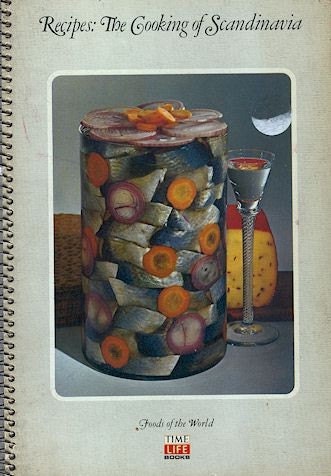
This recipe for gløgg, Scandinavian mulled wine, comes from a 1968 Time-Life cookbook called The Cooking of Scandinavia. We’re not sure if their intent was to entice or to frighten. The cover features a glass of akevitt next to what looks like a ten gallon jar of pickled herring. The recipe, entitled “Professörens Glögg (The Professor’s Glögg)” is identified as being specifically Swedish, although we have no idea why. Swedish, Norwegian or whatever, this gløgg is the best we’ve had. Here is the original recipe and instructions, followed by our own commentary and notes on preparation.
Professørens gløgg
Adapted from Recipes: The Cooking of Scandinavia. Time-Life Books. New York, 1968
To serve 20-25
2 quarts dry red wine (about 2 standard 750 mL bottles)
2 quarts muscatel (or muscato)
1 pint sweet vermouth
2 tablespoons Angostura bitters
2 cups raisins
Peelings of 1 orange
12 whole cardamoms, bruised in a mortar with a pestle or by covering with a towel and crushing with a rolling pin
10 whole cloves
1 piece (about 2 inches) of fresh ginger
1 stick cinnamon
1 ½ cups akevitt (preferably Linie)
1 ½ cups sugar
2 cups whole almonds, blanched and peeled
In a 6- to 8-quart enameled or stainless steel pot, mix together the dry red wine, muscatel, sweet vermouth, bitters, raisins, orange peel and the slightly crushed cardamoms, whole cloves, ginger and cinnamon. Cover and let the mixture stand at least 12 hours so that the flavors will develop and mingle. Shortly before serving, add the akevitt and the sugar. Stir well and bring it to a full boil over high heat. Remove at once from the heat, stir in the almonds and serve the hot gløgg in mugs. In Sweden, a small spoon is placed in each mug to scoop up the almonds and raisins.
ALTERNATE: To make a simpler gløgg, divide the quantities of spices in half and mix them with 2 bottles of dry red wine. Leave it overnight, then stir in ¾ cup of sugar and bring it almost to a boil. Remove from the heat, stir in 1 cup of whole, blanched and peeled almonds, and serve hot.
Those are the original ingredients and instructions. Before making gløgg, read our commentary below.
COMMENTARY 2008:
Forty years after this recipe was published, it holds up pretty well. Still, times have changed and moreover through experimentation we have made a number of adjustments and changes of our own.
First off, until this year, we had never made this gløgg the night before it was meant to be served. Frankly, we had never remembered. Every year we would take out the cookbook the day of the big Christmas party and realize we’d blown it yet again. However, we were never disappointed either. Having said that, this year, we did manage to throw the spices in the wine the night before and the result was even more delicious. So, if you’re organized enough to get it together a whole day ahead of time, by all means do so, but if you’re not, don’t let it stop you.
Secondly, muscatel per se can be difficult to find. Strictly speaking, muscatel is a sweet white dessert wine that is derived only from Muscat of Alexandria grapes. We have never been able to find muscatel in our area (Minneapolis/St. Paul) although we were able to find it online, with prices ranging from about $6 to almost $70. However, muscato – derived from the same family of grapes – is widely (and cheaply) available and works great. If you really want to go for higher quality but can’t find a nice muscatel, I’m sure Lillet Blanc would be just fine. We have always used Linie Aquavit which compliments the spices nicely, but the Oslo brand would probably be good as well.
Another point is that we do not recommend simply chucking all the spices into the pot loose. In our experience people do not like finding whole cloves in their cups (or their teeth). Instead, we put the orange peel, the ginger and all of the spices - with the exception of the cinnamon stick - in a piece of cheesecloth, tie that off with a piece of string and toss the whole thing in with the wine at the very beginning, then take it out at the last second before serving. The cinnamon stick (or sticks – you can never have too much fresh cinnamon in there) we leave out to get a better flavor and also for fear they will puncture the cheesecloth. A side note: don’t try to substitute ground spices for the whole ones. We tried this the first time we made it, in order to save a few bucks, and the result was a gritty, chewy gløgg that had the body of coffee dregs. Shell out the extra $2 and buy the whole spices, or you’ll be sorry.
Finally – and most importantly – we never allow the gløgg to boil. We don’t know what “the Professor” was supposed to be a professor of, but it sure wasn’t chemistry. Alcohol boils at a lower temperature than water so bringing the gløgg to a boil even for a short time can severely deplete its psychoactive properties. We use a liquid thermometer and are careful to keep the mixture below 78°C (173°F), the point at which alcohol boils.
In a nutshell, our preparation is to simply start by mixing the red wine, the muscato, and the spices in the pot over low heat. Once this mixture has warmed up a little, add the akevitt and the vermouth to taste - generally, we use a little less vermouth and a little more akevitt than the recipe calls for. As the drink heats up, we gradually add the sugar, stirring regularly so that the sugar dissolves completely. Once that’s done, add the raisins and almonds. Then add the bitters, one tablespoon at a time, tasting after stirring in the first one. If it doesn’t need the second tablespoon of bitters, don’t add it.
The whole process will take a couple of hours. Don’t try to multitask when you’re making gløgg. You’re going to need every ounce of your steadily diminishing concentration to keep the stuff from boiling. It should be served warm, in small cups, and make sure everyone gets some raisins and almonds in their cup. Some people will complain about this, but after a cup or two, they’ll realize it’s the best gløgg they’ve ever had.
Skål!
Here's what Colin had to say about gløgg:
This recipe for gløgg, Scandinavian mulled wine, comes from a 1968 Time-Life cookbook called The Cooking of Scandinavia. We’re not sure if their intent was to entice or to frighten. The cover features a glass of akevitt next to what looks like a ten gallon jar of pickled herring. The recipe, entitled “Professörens Glögg (The Professor’s Glögg)” is identified as being specifically Swedish, although we have no idea why. Swedish, Norwegian or whatever, this gløgg is the best we’ve had. Here is the original recipe and instructions, followed by our own commentary and notes on preparation.
Professørens gløgg
Adapted from Recipes: The Cooking of Scandinavia. Time-Life Books. New York, 1968
To serve 20-25
2 quarts dry red wine (about 2 standard 750 mL bottles)
2 quarts muscatel (or muscato)
1 pint sweet vermouth
2 tablespoons Angostura bitters
2 cups raisins
Peelings of 1 orange
12 whole cardamoms, bruised in a mortar with a pestle or by covering with a towel and crushing with a rolling pin
10 whole cloves
1 piece (about 2 inches) of fresh ginger
1 stick cinnamon
1 ½ cups akevitt (preferably Linie)
1 ½ cups sugar
2 cups whole almonds, blanched and peeled
In a 6- to 8-quart enameled or stainless steel pot, mix together the dry red wine, muscatel, sweet vermouth, bitters, raisins, orange peel and the slightly crushed cardamoms, whole cloves, ginger and cinnamon. Cover and let the mixture stand at least 12 hours so that the flavors will develop and mingle. Shortly before serving, add the akevitt and the sugar. Stir well and bring it to a full boil over high heat. Remove at once from the heat, stir in the almonds and serve the hot gløgg in mugs. In Sweden, a small spoon is placed in each mug to scoop up the almonds and raisins.
ALTERNATE: To make a simpler gløgg, divide the quantities of spices in half and mix them with 2 bottles of dry red wine. Leave it overnight, then stir in ¾ cup of sugar and bring it almost to a boil. Remove from the heat, stir in 1 cup of whole, blanched and peeled almonds, and serve hot.
Those are the original ingredients and instructions. Before making gløgg, read our commentary below.
COMMENTARY 2008:
Forty years after this recipe was published, it holds up pretty well. Still, times have changed and moreover through experimentation we have made a number of adjustments and changes of our own.
First off, until this year, we had never made this gløgg the night before it was meant to be served. Frankly, we had never remembered. Every year we would take out the cookbook the day of the big Christmas party and realize we’d blown it yet again. However, we were never disappointed either. Having said that, this year, we did manage to throw the spices in the wine the night before and the result was even more delicious. So, if you’re organized enough to get it together a whole day ahead of time, by all means do so, but if you’re not, don’t let it stop you.
Secondly, muscatel per se can be difficult to find. Strictly speaking, muscatel is a sweet white dessert wine that is derived only from Muscat of Alexandria grapes. We have never been able to find muscatel in our area (Minneapolis/St. Paul) although we were able to find it online, with prices ranging from about $6 to almost $70. However, muscato – derived from the same family of grapes – is widely (and cheaply) available and works great. If you really want to go for higher quality but can’t find a nice muscatel, I’m sure Lillet Blanc would be just fine. We have always used Linie Aquavit which compliments the spices nicely, but the Oslo brand would probably be good as well.
Another point is that we do not recommend simply chucking all the spices into the pot loose. In our experience people do not like finding whole cloves in their cups (or their teeth). Instead, we put the orange peel, the ginger and all of the spices - with the exception of the cinnamon stick - in a piece of cheesecloth, tie that off with a piece of string and toss the whole thing in with the wine at the very beginning, then take it out at the last second before serving. The cinnamon stick (or sticks – you can never have too much fresh cinnamon in there) we leave out to get a better flavor and also for fear they will puncture the cheesecloth. A side note: don’t try to substitute ground spices for the whole ones. We tried this the first time we made it, in order to save a few bucks, and the result was a gritty, chewy gløgg that had the body of coffee dregs. Shell out the extra $2 and buy the whole spices, or you’ll be sorry.
Finally – and most importantly – we never allow the gløgg to boil. We don’t know what “the Professor” was supposed to be a professor of, but it sure wasn’t chemistry. Alcohol boils at a lower temperature than water so bringing the gløgg to a boil even for a short time can severely deplete its psychoactive properties. We use a liquid thermometer and are careful to keep the mixture below 78°C (173°F), the point at which alcohol boils.
In a nutshell, our preparation is to simply start by mixing the red wine, the muscato, and the spices in the pot over low heat. Once this mixture has warmed up a little, add the akevitt and the vermouth to taste - generally, we use a little less vermouth and a little more akevitt than the recipe calls for. As the drink heats up, we gradually add the sugar, stirring regularly so that the sugar dissolves completely. Once that’s done, add the raisins and almonds. Then add the bitters, one tablespoon at a time, tasting after stirring in the first one. If it doesn’t need the second tablespoon of bitters, don’t add it.
The whole process will take a couple of hours. Don’t try to multitask when you’re making gløgg. You’re going to need every ounce of your steadily diminishing concentration to keep the stuff from boiling. It should be served warm, in small cups, and make sure everyone gets some raisins and almonds in their cup. Some people will complain about this, but after a cup or two, they’ll realize it’s the best gløgg they’ve ever had.
Skål!
Wednesday, December 24, 2008
Norwegian Christmas
With tonight being Christmas Eve many families use this time to do something together. I know mine sure does, so in that vein I've got some great places for you to check out if you're looking for something to do tonight.
First of all, Sons of Norway members can check out our Information Banks, where we have a couple great items on Christmas in Norway and, for those who like to sing, Norwegian Christmas Carols.
But for those of us who live in the north with the cold and snow, there are other things you can stay inside and do. How about some last minute decorations? Click here to learn how to make Norwegian Christmas baskets for your tree. Or, if you feel like doing some baking tonight, why not try making some krumkake with a traditional recipe?
There's so much a family can do and that's the best part, I think; being with family and loved ones.
Alright everybody, have a merry Christmas and we'll go back to blogging about winter and the New Year on Friday.
First of all, Sons of Norway members can check out our Information Banks, where we have a couple great items on Christmas in Norway and, for those who like to sing, Norwegian Christmas Carols.
But for those of us who live in the north with the cold and snow, there are other things you can stay inside and do. How about some last minute decorations? Click here to learn how to make Norwegian Christmas baskets for your tree. Or, if you feel like doing some baking tonight, why not try making some krumkake with a traditional recipe?
There's so much a family can do and that's the best part, I think; being with family and loved ones.
Alright everybody, have a merry Christmas and we'll go back to blogging about winter and the New Year on Friday.
Tuesday, November 18, 2008
DIY with Sons of Norway
 With experts expecting a bleak economic landscape this holiday season many Americans are looking for ways to cut expenses. If you're like me, you may be looking for some DIY (Do It Yourself) projects that would make for decent Christmas presents. There are a number of places for us like minded folks to look, like the DIY Network, where you'll find do it yourself instruction on everything from quilting to crafts to jewelry making. All of which can be made into easy, inexpensive yet meaningful gifts.
Now, you may be wondering why is the Sons of Norway Blog running a piece on something non-Norwegian? Well there's a couple of reasons.
First, the DIY mentality is very Scandinavian and very, very,very Norwegian. For centuries people in Norway, and their descendants who immigrated to the United States, were proud of their ability to be self sustaining while doing more with less (the cornerstone of the DIY movement). So much so that I'd argue Scandinavians were more proficient at it than almost any other culture.
 Also, did you know that Sons of Norway offers some great DIY projects that can be turned into the perfect Christmas gift? We do, and that's the second reason for today's post. All members of Sons of Norway have access to a number of different Cultural Skills lessons that can teach you how to rosemal, chip carve, knit or make a hardanger embroidery piece (among other things). I've personally seen what members are capable of making after going through a CS program and these items can make the best gifts imaginable. Not only are they hand-made, but they are also one-of-a-kind gifts that can have more meaning than a store-bought gift.
 Another DIY offering from Sons of Norway, which could be very helpful this holiday season, is our recipe collection. Often, gifts of food are the most practical and cherished. Consider making some lefse or krumkake to give as gifts this year. Just remember that many baked goods, like krumkake are very fragile, so they don't do well if you are planning on mailing them to a loved one who lives far away. If that's the situation you find yourself in, I suggest you check out Viking magazine to see if there is a Scandinavian food seller closer to your loved one and order from them.
Well that's all for now, but be sure to check back tomorrow when I'll have a post from Nichole Neumann where she interviews District 2 International Director Bill Fosmoe.
Tuesday, October 21, 2008
Lutefisk: It's Not So Bad
If you read my post about lutefisk yesterday, two things should have been clear. First, that I am not a fan of the gelatinous whitefish holiday staple that is lutefisk. Second, and more importantly, that even though I am not a fan of the dish, there are a lot of people who are and I think that lutefisk has gotten a bad rap over the years. In an effort to remedy this situation I want to put the spotlight on some other Nordic dishes that are much stranger, in some cases, much more dangerous and would make for a much bigger surprise were you to find them on the table at your family's Thanksgiving or Christmas get-together.
So, here it is, the top five strangest Nordic dishes:
5. Gravlax: Number five on this list is a food that can be found throughout Scandinavia by various names, including gravad lax (Sweden, Denmark), gravlaks (Norway), graavilohi (Finnland) and graflax (Iceland). This dish dates back to the middle ages and found its popularity throughout Scandinavia via trade amongst different countries.
One would think that it must be a very tasty appetizer due to its long history and widespread acceptance throughout the various Nordic countries, right? Maybe it is. If you've tried it, please let me know.
Gravlax made this list (just barely I might add) because of the way it was historically prepared. During the Middle Ages, gravlax was made by fishermen, who salted the salmon and lightly fermented it by burying it in the sand above the high-tide line. The word gravlax comes from the Scandinavian word grav, which means literally "grave" or "hole in the ground" (in Swedish, Norwegian, Danish and Estonian), and lax (or laks), which means "salmon", thus gravlax is "salmon dug into the ground."
Today, that fermentation process is no longer used, rather the fish is cured in salt, sugar, and dill. That actually sounds tasty to me. How about you?
Danger factor: None.
4. Surströmming: The name means "soured herring" and is considered a Swedish delicacy. The herring are caught in spring, when it is in prime condition and they just about to spawn. Then, the herring are fermented in barrels for one to two months, then tinned where the fermentation continues. Half a year to a year later, gases have built up sufficiently for the once cylindrical tins to bulge into a more rounded shape.
Weren't we all warned as kids/young adults that bulging cans in the cupboard or on the market shelves were never to be consumed for fear of botulism? I'm just asking. In this case species of Haloanaerobium bacteria are responsible for the in-can ripening/bulging. Also, these bacteria produce carbon dioxide and a number of compounds that account for the unique odor: pungent propionic acid, hydrogen sulfide, butyric acid, and vinegary acetic acid. Now here's where it all comes together:
Danger factor: Certain airlines have banned the tins on their flights, considering the pressurized containers to be potentially dangerous. In April 2006, several major airlines, including Air France and British Airways, banned the fish citing that the pressurized cans of fish are potentially explosive.
Now imagine this, you're cruising at 35,000 feet in the middle of a 10 hour flight home from your holiday in Sweden when you hear a loud bang or explosion. Then the air in the airplane's cabin is filled with the smell of rotten-egg, rancid-butter and vinegar. And you've still got at least a couple hours before you are over North-America, where you could land and deplane. Doesn't sound like a very fun scenario to me.
3. Hákarl or kæstur hákarl: This one is is from our Icelandic brethren and the name translates into "fermented shark" (Now we're getting to the really good stuff, right? Typically made from basking sharks that have been fermented for 6-12 weeks underground, cured and then hung to dry for 4-5 months, Hákarl is known for its "ammonia-rich" smell. Mmmmmm...ammonia...
Danger Factor: What makes this dish interesting is that consumption of this type of shark without proper preparation would be quite dangerous. In fact, due to this species of shark's high content of uric acid and trimethylamine oxide, it would be downright poisonous. It's only during the fermentation process that these toxins are flushed from the sharks body. If the process isn't done properly, some of these poisons can still be found in the shark meat.
The best that can be said about this dish (and it is said by some) is that Hákarl is an acquired taste.
2. Smalahove: The only non-fish entry to this list comes in at number two on today's list. Smalahove, also called Smalehovud or Skjelte, is a Norwegian dish that's typically served up at, or around, Christmas. The reason this dish made the list is because of its danger factor and because its made of sheep's head.
The. Entire. Sheep's. Head.
Once only a food for the poor, but now considered a delicacy, Smalahove is prepared by torching the skin and fleece of the head, removing the brain and salting the head. Then The head is boiled for about 3 hours.
Danger factor: While this dish may seem a bit more benign than the previous dishes listed, Smalahove makes number two on this list due to the fact that the EU forbids the production of smalahove from adult sheep, due to fear of the possibility of transmission of scrapie, a deadly, degenerative prion disease of sheep and goats, even though scrapie does not appear to be transmissible to humans. It is now only allowed to be produced from the heads of lambs.
1. Rakfisk: This traditional eastern Norwegian dish is the ultimate in my book. Made typically from fermented trout or char, this dish is usually served sliced or as a fillet with raw red onion, lefse, sour cream, and almond potatoes. Some also use mustard-sauce, a mild form of mustard with dill. It is not recommended that Rakfisk be eaten by people with a reduced immune defense or by pregnant women.
Danger factor: This "delicacy" is number one on the list for a reason. The preparation is ver stringent and if done wrong the result can be deadly. You see, to make Rakfisk you need to gut a fish, put it into a vinger solution for a short while, then treat with salt and sugar before burying the fish for two to three months. The danger is that if the Rakfisk comes in contact with with soil there is a great risk of the "wrong" bacteria growing in the fish, especially Clostridium botulinum which causes botulism.
Now, I can't speak to the veracity of this, but I have heard anecdotally about a family in Norway who, a couple weeks after burying their Rakfisk, found their dog dead on the back steps after having dug up the fermenting fish. To me, it would seem that Rakfisk is the Norwegian answer to Fugu and that consuming it would be the ultimate act of culinary bravery.
Yet, even with all that, approximately 500 tonnes of rakfisk are consumed in Norway annually. There's even a festival devoted to this questionable dish!
So there you have it. Five different Nordic dishes that would make anyone glad to see lutefisk as an alternative for dinner. Now, there may be some of you out there who are much braver than I and want the recipes so they can try some of these dishes. You'll have to look elsewhere, I'm afraid, because I don't want to be held liable for a shark attack or botulism poisoning.
Have a great day everyone!
So, here it is, the top five strangest Nordic dishes:
5. Gravlax: Number five on this list is a food that can be found throughout Scandinavia by various names, including gravad lax (Sweden, Denmark), gravlaks (Norway), graavilohi (Finnland) and graflax (Iceland). This dish dates back to the middle ages and found its popularity throughout Scandinavia via trade amongst different countries.
One would think that it must be a very tasty appetizer due to its long history and widespread acceptance throughout the various Nordic countries, right? Maybe it is. If you've tried it, please let me know.
Gravlax made this list (just barely I might add) because of the way it was historically prepared. During the Middle Ages, gravlax was made by fishermen, who salted the salmon and lightly fermented it by burying it in the sand above the high-tide line. The word gravlax comes from the Scandinavian word grav, which means literally "grave" or "hole in the ground" (in Swedish, Norwegian, Danish and Estonian), and lax (or laks), which means "salmon", thus gravlax is "salmon dug into the ground."
Today, that fermentation process is no longer used, rather the fish is cured in salt, sugar, and dill. That actually sounds tasty to me. How about you?
Danger factor: None.
4. Surströmming: The name means "soured herring" and is considered a Swedish delicacy. The herring are caught in spring, when it is in prime condition and they just about to spawn. Then, the herring are fermented in barrels for one to two months, then tinned where the fermentation continues. Half a year to a year later, gases have built up sufficiently for the once cylindrical tins to bulge into a more rounded shape.
Weren't we all warned as kids/young adults that bulging cans in the cupboard or on the market shelves were never to be consumed for fear of botulism? I'm just asking. In this case species of Haloanaerobium bacteria are responsible for the in-can ripening/bulging. Also, these bacteria produce carbon dioxide and a number of compounds that account for the unique odor: pungent propionic acid, hydrogen sulfide, butyric acid, and vinegary acetic acid. Now here's where it all comes together:
Danger factor: Certain airlines have banned the tins on their flights, considering the pressurized containers to be potentially dangerous. In April 2006, several major airlines, including Air France and British Airways, banned the fish citing that the pressurized cans of fish are potentially explosive.
Now imagine this, you're cruising at 35,000 feet in the middle of a 10 hour flight home from your holiday in Sweden when you hear a loud bang or explosion. Then the air in the airplane's cabin is filled with the smell of rotten-egg, rancid-butter and vinegar. And you've still got at least a couple hours before you are over North-America, where you could land and deplane. Doesn't sound like a very fun scenario to me.
3. Hákarl or kæstur hákarl: This one is is from our Icelandic brethren and the name translates into "fermented shark" (Now we're getting to the really good stuff, right? Typically made from basking sharks that have been fermented for 6-12 weeks underground, cured and then hung to dry for 4-5 months, Hákarl is known for its "ammonia-rich" smell. Mmmmmm...ammonia...
Danger Factor: What makes this dish interesting is that consumption of this type of shark without proper preparation would be quite dangerous. In fact, due to this species of shark's high content of uric acid and trimethylamine oxide, it would be downright poisonous. It's only during the fermentation process that these toxins are flushed from the sharks body. If the process isn't done properly, some of these poisons can still be found in the shark meat.
The best that can be said about this dish (and it is said by some) is that Hákarl is an acquired taste.
2. Smalahove: The only non-fish entry to this list comes in at number two on today's list. Smalahove, also called Smalehovud or Skjelte, is a Norwegian dish that's typically served up at, or around, Christmas. The reason this dish made the list is because of its danger factor and because its made of sheep's head.
The. Entire. Sheep's. Head.
Once only a food for the poor, but now considered a delicacy, Smalahove is prepared by torching the skin and fleece of the head, removing the brain and salting the head. Then The head is boiled for about 3 hours.
Danger factor: While this dish may seem a bit more benign than the previous dishes listed, Smalahove makes number two on this list due to the fact that the EU forbids the production of smalahove from adult sheep, due to fear of the possibility of transmission of scrapie, a deadly, degenerative prion disease of sheep and goats, even though scrapie does not appear to be transmissible to humans. It is now only allowed to be produced from the heads of lambs.
1. Rakfisk: This traditional eastern Norwegian dish is the ultimate in my book. Made typically from fermented trout or char, this dish is usually served sliced or as a fillet with raw red onion, lefse, sour cream, and almond potatoes. Some also use mustard-sauce, a mild form of mustard with dill. It is not recommended that Rakfisk be eaten by people with a reduced immune defense or by pregnant women.
Danger factor: This "delicacy" is number one on the list for a reason. The preparation is ver stringent and if done wrong the result can be deadly. You see, to make Rakfisk you need to gut a fish, put it into a vinger solution for a short while, then treat with salt and sugar before burying the fish for two to three months. The danger is that if the Rakfisk comes in contact with with soil there is a great risk of the "wrong" bacteria growing in the fish, especially Clostridium botulinum which causes botulism.
Now, I can't speak to the veracity of this, but I have heard anecdotally about a family in Norway who, a couple weeks after burying their Rakfisk, found their dog dead on the back steps after having dug up the fermenting fish. To me, it would seem that Rakfisk is the Norwegian answer to Fugu and that consuming it would be the ultimate act of culinary bravery.
Yet, even with all that, approximately 500 tonnes of rakfisk are consumed in Norway annually. There's even a festival devoted to this questionable dish!
So there you have it. Five different Nordic dishes that would make anyone glad to see lutefisk as an alternative for dinner. Now, there may be some of you out there who are much braver than I and want the recipes so they can try some of these dishes. You'll have to look elsewhere, I'm afraid, because I don't want to be held liable for a shark attack or botulism poisoning.
Have a great day everyone!
Subscribe to:
Posts (Atom)